
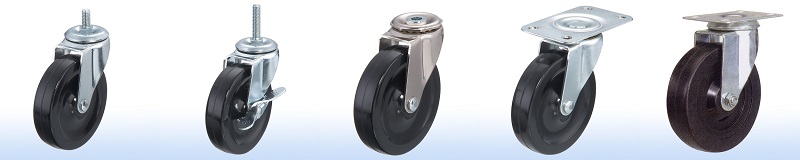
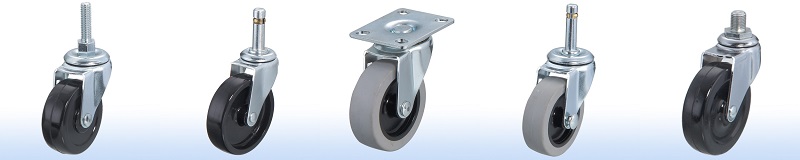
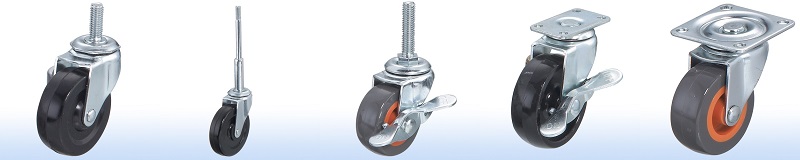
重型腳輪
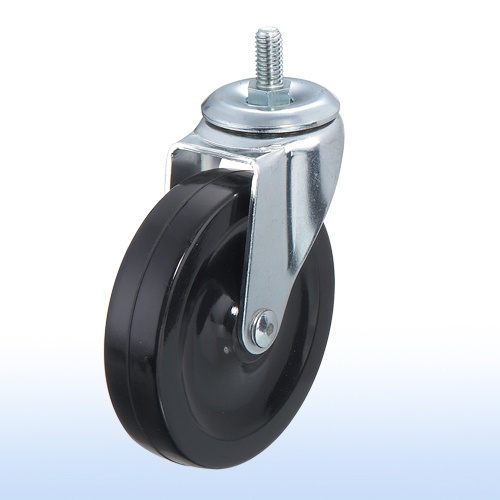 重型腳輪
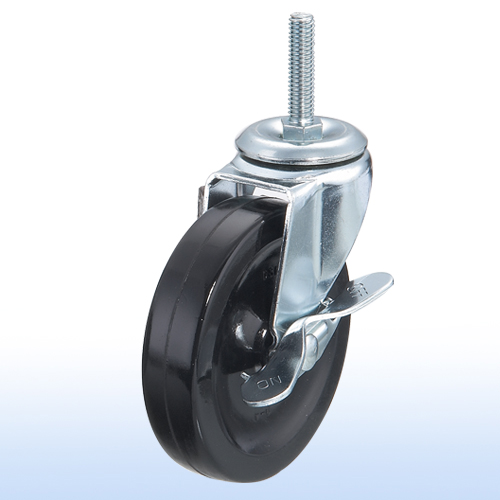
4”x 1 活動煞車輪
型號: B-01
4”x 1 Swivel Caster w/Brake
重型腳輪
4”x 1 活動煞車輪
型號: B-01
4”x 1 Swivel Caster w/Brake
重型腳輪
4”x 1 活動煞車輪
型號: B-01
4”x 1 Swivel Caster w/Brake
重型腳輪通常是指用於承載較重物體或設備的腳輪,需要具有較高的承重能力和耐磨性。這種腳輪通常製作材料是鋼、鋁合金等堅固材質,可以適應各種重型設備和機械的使用場景。
活動煞車輪一般有剎車裝置,可以通過踩踏剎車來鎖定腳輪,防止物體在移動時不受控制。這種腳輪通常適用於需要頻繁移動並且需要定位的設備或機械,如工具車、展示架、貨架等。製作材料通常是橡膠、聚氨酯等彈性材料和鋼、鋁合金等堅固材質。
東鉝實業股份有限公司
電話:04-723-2230
傳真:04-723-6990
彰化市桃源街25巷7號
 重型腳輪
4”x 1 活動煞車輪
型號: B-02
4”x 1 Swivel Caster w/Brake
重型腳輪
4”x 1 活動煞車輪
型號: B-02
4”x 1 Swivel Caster w/Brake
重型腳輪
4”x 1 活動煞車輪
型號: B-02
4”x 1 Swivel Caster w/Brake
 重型腳輪
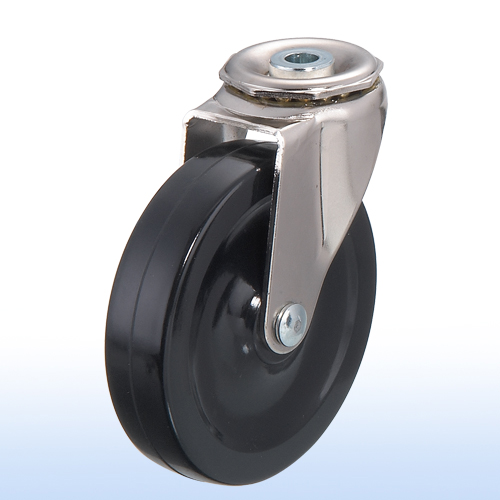
4”x 1 中空活動煞車輪
型號: B-03
4”x 1 Hollow Swivel Caster w/Brake
重型腳輪
4”x 1 中空活動煞車輪
型號: B-03
4”x 1 Hollow Swivel Caster w/Brake
重型腳輪
4”x 1 中空活動煞車輪
型號: B-03
4”x 1 Hollow Swivel Caster w/Brake
 重型腳輪
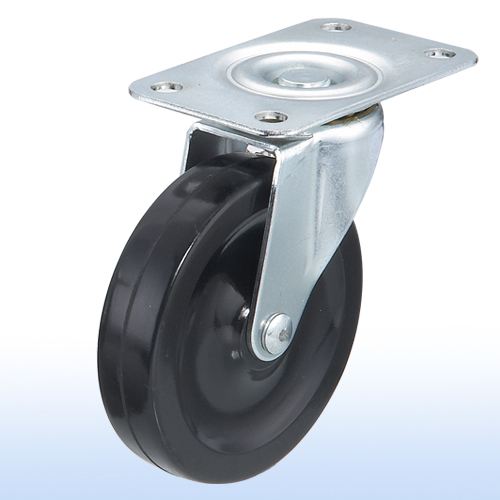
4”x 1 平板活動煞車輪
型號: B-04
4”x 1 Flat-plate Swivel Caster w/Brake
重型腳輪
4”x 1 平板活動煞車輪
型號: B-04
4”x 1 Flat-plate Swivel Caster w/Brake
重型腳輪
4”x 1 平板活動煞車輪
型號: B-04
4”x 1 Flat-plate Swivel Caster w/Brake
 重型腳輪
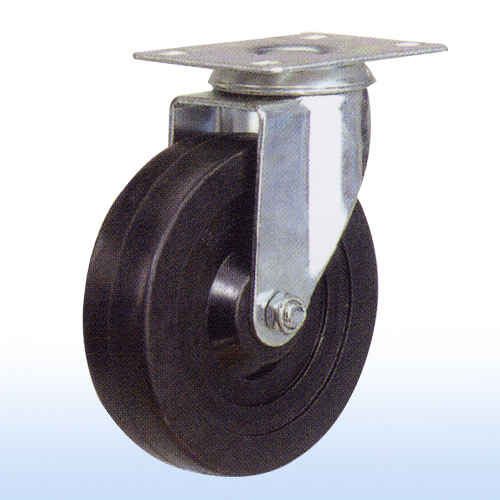
5”x 1-1/4 平板活動煞車輪
型號: B-05
5”x 1-1/4 Flat-plate Swivel Caster w/Brake
重型腳輪
5”x 1-1/4 平板活動煞車輪
型號: B-05
5”x 1-1/4 Flat-plate Swivel Caster w/Brake
重型腳輪
5”x 1-1/4 平板活動煞車輪
型號: B-05
5”x 1-1/4 Flat-plate Swivel Caster w/Brake
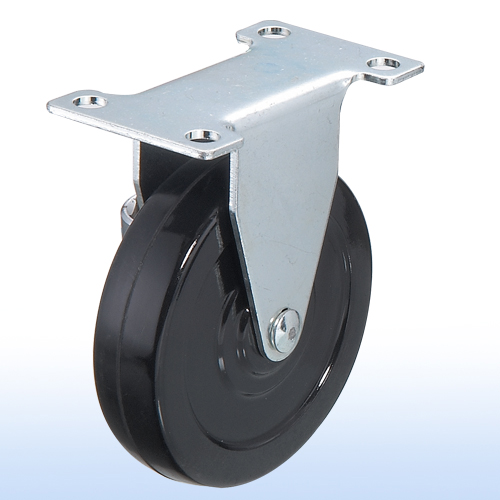 重型腳輪
4”x 1 固定式車輪
型號: B-06
4”x 1 Fixed Swivel Caster
重型腳輪
4”x 1 固定式車輪
型號: B-06
4”x 1 Fixed Swivel Caster
重型腳輪
4”x 1 固定式車輪
型號: B-06
4”x 1 Fixed Swivel Caster
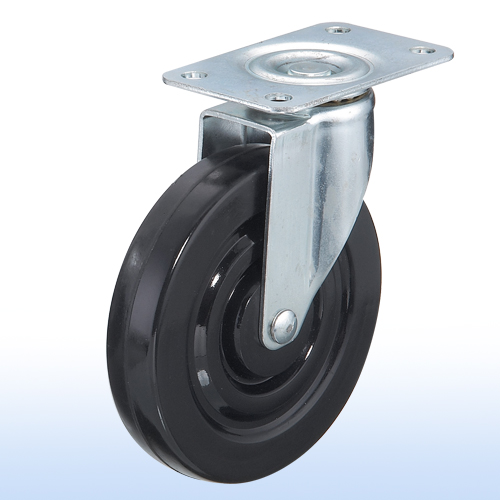 重型腳輪
5”x 1 平板活動煞車輪
型號: B-07
5”x 1 Flat-plate Swivel Caster w/Brake
重型腳輪
5”x 1 平板活動煞車輪
型號: B-07
5”x 1 Flat-plate Swivel Caster w/Brake
重型腳輪
5”x 1 平板活動煞車輪
型號: B-07
5”x 1 Flat-plate Swivel Caster w/Brake
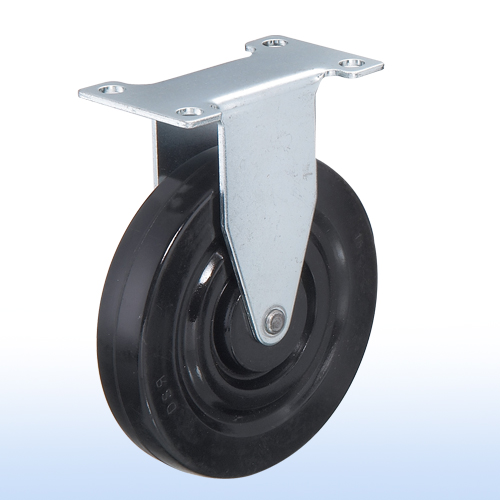 重型腳輪
5”x 1 固定式車輪
型號: B-08
5”x 1 Fixed Swivel Caster
重型腳輪
5”x 1 固定式車輪
型號: B-08
5”x 1 Fixed Swivel Caster
重型腳輪
5”x 1 固定式車輪
型號: B-08
5”x 1 Fixed Swivel Caster
腳輪是一種安裝在家具、機器和設備下面的小型輪子,它可以讓這些物品更容易移動或轉換方向。重型腳輪是一種腳輪,可以承受較高的負載,通常用於重型設備和機器。
橡膠腳輪是一種常見的腳輪類型,它由橡膠材料製成,具有較好的防震和耐磨性能。實心橡膠腳輪比充氣橡膠腳輪更適合在重型應用中使用,因為它們可以承受更大的壓力和重量。橡膠腳輪通常被用於移動家具、辦公椅、輕型機器等。
除了橡膠腳輪外,還有其他材料的腳輪,如聚氨酯腳輪、鋼腳輪、鑄鐵腳輪等。這些腳輪具有不同的特點和適用場合,例如聚氨酯腳輪具有高強度和耐磨性,適用於重型機械和設備,而鋼腳輪和鑄鐵腳輪則具有高承載能力,適用於重型機械和機械設備。
總之,腳輪是一種非常實用的零件,可以讓物品更容易移動和轉換方向,減輕人力物力成本。不同類型的腳輪有其各自的特點和適用場合,需要根據具體的應用需求選擇合適的腳輪類型。
重型腳輪是一種專為重型機器、設備或貨物而設計的輪子。它們可以承受較高的負載,並且通常需要具有強大的抗震性能和耐用性。
重型腳輪通常使用耐磨、耐熱、耐油、耐腐蝕的高強度材料,例如鋼、鑄鐵、鑄鋼、鍛鋼等。這些材料能夠承受高負載和高壓縮力,適合使用在重型機器和設備上。
重型腳輪也可以有不同的設計和功能,例如防震、吸震、懸掛、轉向等功能。這些設計可以提高腳輪的穩定性、靈活性和運轉效率,從而更好地滿足不同的應用需求。
在選擇重型腳輪時,需要考慮輪子的尺寸、承載能力、運轉速度、路面情況等因素。需要選擇具有良好品質和穩定性的腳輪,以確保機器和設備的穩定性和運轉效率。
總之,重型腳輪是一種專為重型機器、設備和貨物而設計的輪子,需要具有強大的承載能力、抗震性和耐用性。在選擇時需要考慮多種因素,以確保腳輪的穩定性和運轉效率。
標題:重型腳輪:承載力與靈活性的完美平衡
引言:
在現代工業和商業環境中,機動性和可移動性對於有效管理和操作重型設備至關重要。而重型腳輪正是解決這一挑戰的重要工具之一。本文將深入探討重型腳輪的定義、設計原則、應用範圍以及未來發展趨勢,旨在幫助讀者更深入了解這一關鍵元件在工業界的角色與價值。
一、重型腳輪的定義與特點
重型腳輪是指能夠承受較大負載且擁有較強耐用性的輪子,通常由金屬或高強度塑料製成。其特點在於其結構堅固,能夠承受高壓力和重量,同時保持穩定性和靈活性。這些腳輪通常具有大型軸承和堅固的輪胎,以確保在各種條件下都能順利運行。
二、重型腳輪的設計原則
承載能力:重型腳輪的設計首要考慮因素是其承載能力。設計師需要根據具體應用需求確定所需的最大負載能力,並選擇適合的材料和結構來確保其安全性和穩定性。
耐磨性:由於重型腳輪通常應用於高頻使用和惡劣環境下,因此耐磨性是其設計中不可忽視的一點。選擇耐磨材料並采用適當的表面處理技術可以延長腳輪的使用壽命。
靈活性:儘管重型腳輪需要承受較大負載,但在移動和操作時仍需要保持靈活性。因此,設計師需要平衡輪子的堅固性和靈活性,以確保其在各種情況下都能輕鬆移動。
穩定性:重型設備通常需要在不同地形和條件下移動,因此重型腳輪的穩定性至關重要。通過合理設計輪子的尺寸、形狀和結構,可以提高其在操作中的穩定性和安全性。
三、重型腳輪的應用範圍
重型腳輪廣泛應用於各種行業和場景中,主要包括以下幾個方面:
工業設備:重型腳輪是許多工業設備和機械的重要組件,如貨架、流水線、起重機等。它們能夠輕鬆地移動和操作重量級設備,提高生產效率和工作效能。
倉儲和物流:在倉儲和物流行業中,重型貨物的移動和堆放是日常工作的一部分。重型腳輪能夠配合各種貨架和運輸設備,實現貨物的快速移動和分配。
建築和建材:在建築工地和建材市場,需要移動和運輸各種重型材料和設備。重型腳輪可以應用於各種建築機械和運輸工具,為工人提供便利。
四、重型腳輪的未來發展趨勢
隨著工業技術和材料科學的不斷發展,重型腳輪也將迎來更多創新和改進。未來重型腳輪的發展趨勢可能包括以下幾個方面:
材料創新:新型材料的應用將帶來更輕量化、更耐用和更環保的重型腳輪產品。例如,高強度塑料和複合材料的應用將提高腳輪的性能和壽命。
智能化技術:隨著物聯網和智能制造技術的發展,未來的重型腳輪可能具備智能監測和控制功能,能夠實時監測負載狀況和工作環境,並自動調節運行參數。
安全性提升:未來重型腳輪的設計將更加注重安全性和可靠性,可能采用更先進的結構設計和測試技術,以確保其在各種極端條件下都能保持穩定和安全。
定制化服務:隨著客戶需求的多樣化,未來的重型腳輪可能會提供更多定制化的服務,根據客戶的特定需求量身定制產品,以滿足不同應用場景的需求。
結論:
重型腳輪作為承載較重物體或設備的關鍵組件,在現代工業和商業中發揮著重要作用。通過合理的設計和選擇,重型腳輪能夠提高設備的機動性和操作效率,同時確保安全和穩定。未來隨著科技的不斷進步,重型腳輪將會不斷發展創新,為工業界帶來更多便利和價值。
重型腳輪的概述
重型腳輪是一種用於承載較重物體或設備的腳輪,通常由堅固耐用的材料製成,如鋼材或鑄鐵等。其主要特點在於擁有高承載能力和良好的耐用性,能夠應對各種重負載場景的需求,並保持穩定運行。重型腳輪通常應用於工業生產、物流運輸、建築工地等場景,扮演著不可或缺的角色。
重型腳輪的設計特點
承載能力高:重型腳輪的設計主要針對承載能力,並確保穩定運行。
耐磨耐用:由於應用場景的特殊性,重型腳輪通常需要具有優秀的耐磨性和耐用性,以應對長時間高頻使用的需求。
強固結構:為了確保腳輪能夠承受高負載並保持穩定運行,重型腳輪通常擁有堅固的結構設計,如加厚的輪胎、堅固的支架等。
適應多樣化地面:重型腳輪需要能夠適應各種地面條件,如不平坦地面、粗糙地面等,因此其輪胎設計和軸承系統需要具有良好的適應性。
重型腳輪的應用場景
工業生產:在工業生產線上,許多重型機械設備或貨物需要移動或運輸,而重型腳輪能夠提供穩定的支撐和運輸能力,保證生產過程的順利進行。
智能化技術:未來的重型腳輪可能加入智能感知和控制技術,能夠實時監測負載狀況和工作環境,並自動調節運行參數,提高工作效率和安全性。
輕量化設計:隨著對能源消耗和資源利用的關注增加,未來的重型腳輪可能會更加注重輕量化設計,以減輕腳輪本身的重量,提高能源利用率。
環保材料應用:未來重型腳輪可能會更多地採用可再生材料或環保材料,減少對環境的影響,實現可持續發展。
重型腳輪作為承載較重物體或設備的重要組件,在工業生產、物流運輸、建築工地等各個領域都扮演著重要角色。通過合理的設計和選擇,重型腳輪能夠提高設備的機動性和操作效率,同時確保安全和穩定。未來隨著科技的不斷進步,重型腳輪將會不斷發展創新,為工業界帶來更多便利和價值。
Casters are small wheels installed under furniture, machinery, and equipment, making these items easier to move or change direction. Heavy-duty casters are casters that can withstand higher loads and are typically used in heavy equipment and machinery.
Rubber casters are a common type of caster, made of rubber, and offer good shock absorption and wear resistance. Solid rubber casters are more suitable for heavy-duty applications than pneumatic rubber casters because they can withstand greater pressure and weight. Rubber casters are commonly used to move furniture, office chairs, light machinery, etc.
Besides rubber casters, there are casters made of other materials, such as polyurethane casters, steel casters, and cast iron casters. These casters have different characteristics and applications. For example, polyurethane casters have high strength and wear resistance, making them suitable for heavy machinery and equipment, while steel and cast iron casters have high load-bearing capacity, making them suitable for heavy machinery and mechanical equipment.
In short, casters are very practical parts that make items easier to move and change direction, reducing labor and material costs. Different types of casters have their own characteristics and applications, and the appropriate caster type should be selected based on specific application requirements. Heavy-duty casters are wheels specifically designed for heavy machinery, equipment, or goods. They can withstand high loads and typically require strong shock resistance and durability.
Heavy-duty casters generally use high-strength materials that are wear-resistant, heat-resistant, oil-resistant, and corrosion-resistant, such as steel, cast iron, cast steel, and forged steel. These materials can withstand high loads and high compressive forces, making them suitable for use on heavy machinery and equipment.
Heavy-duty casters can also have different designs and functions, such as shock absorption, suspension, and steering. These designs improve the stability, flexibility, and operational efficiency of the casters, thus better meeting diverse application needs.
When selecting heavy-duty casters, factors such as wheel size, load capacity, operating speed, and road conditions need to be considered. Casters with good quality and stability should be selected to ensure the stability and operational efficiency of the machinery and equipment.
In short, heavy-duty casters are wheels specifically designed for heavy machinery, equipment, and goods, requiring strong load-bearing capacity, shock resistance, and durability. Multiple factors need to be considered when selecting casters to ensure their stability and operational efficiency.
Title: Heavy-Duty Casters: The Perfect Balance of Load Capacity and Flexibility
Introduction: In modern industrial and commercial environments, mobility and operability are crucial for the effective management and operation of heavy equipment. Heavy-duty casters are one of the key tools for addressing this challenge. This article will delve into the definition, design principles, applications, and future development trends of heavy-duty casters, aiming to help readers gain a deeper understanding of the role and value of this critical component in industry.
I. Definition and Characteristics of Heavy-Duty Casters
Heavy-duty casters are wheels capable of withstanding large loads and possessing high durability, typically made of metal or high-strength plastics. Their characteristics lie in their robust structure, capable of withstanding high pressure and weight while maintaining stability and flexibility. These casters usually feature large bearings and sturdy tires to ensure smooth operation under various conditions.
II. Design Principles of Heavy-Duty Casters
Load Capacity: The primary consideration in the design of heavy-duty casters is their load capacity. Designers need to determine the maximum load capacity required based on specific application needs and select appropriate materials and structures to ensure safety and stability.
Wear Resistance: Since heavy-duty casters are typically used in high-frequency and harsh environments, wear resistance is an essential design consideration. Selecting wear-resistant materials and employing appropriate surface treatment techniques can extend the caster's lifespan.
Flexibility: Although heavy-duty casters need to withstand heavy loads, they still require flexibility during movement and operation. Therefore, designers need to balance the wheel's robustness and flexibility to ensure easy movement in various conditions.
Stability: Heavy equipment often needs to be moved across different terrains and conditions, making the stability of heavy-duty casters crucial. By rationally designing the wheel's size, shape, and structure, its stability and safety during operation can be improved.
III. Applications of Heavy-Duty Casters Heavy-duty casters are widely used in various industries and scenarios, primarily including the following:
Industrial Equipment: Heavy-duty casters are important components of many industrial equipment and machinery, such as shelves, assembly lines, and cranes. They enable easy movement and operation of heavy equipment, improving production efficiency and work effectiveness.
Warehousing and Logistics: In the warehousing and logistics industry, the movement and stacking of heavy goods is an integral part of daily work. Heavy-duty casters can be used with various shelving and transportation equipment to achieve rapid movement and distribution of goods.
Construction and Building Materials: Construction sites and building materials markets require the movement and transportation of various heavy materials and equipment. Heavy-duty casters can be applied to various construction machinery and transportation tools, providing convenience for workers.
IV. Future Development Trends of Heavy-Duty Casters
With the continuous development of industrial technology and materials science, heavy-duty casters will see more innovation and improvement. Future development trends for heavy-duty casters may include the following aspects:
Material Innovation: The application of new materials will bring lighter, more durable, and more environmentally friendly heavy-duty caster products. For example, the application of high-strength plastics and composite materials will improve the performance and lifespan of casters.
Intelligent Technology: With the development of the Internet of Things and intelligent manufacturing technology, future heavy-duty casters may have intelligent monitoring and control functions, capable of monitoring load conditions and working environments in real time and automatically adjusting operating parameters.
Enhanced Safety: Future heavy-duty caster designs will place greater emphasis on safety and reliability, potentially employing more advanced structural design and testing technologies to ensure stability and safety under various extreme conditions.
Customized Services: With the diversification of customer needs, future heavy-duty casters may offer more customized services, tailoring products to meet specific customer requirements and diverse application scenarios.
Conclusion: As a key component for supporting heavy objects or equipment, heavy-duty casters play a vital role in modern industry and commerce. Through proper design and selection, heavy-duty casters can improve equipment mobility and operational efficiency while ensuring safety and stability. With continuous technological advancements, heavy-duty casters will continue to evolve and innovate, bringing more convenience and value to industry.
Overview of Heavy-Duty Casters: Heavy-duty casters are used to support heavy objects or equipment, typically made of robust and durable materials such as steel or cast iron. Their main characteristics are high load-bearing capacity and excellent durability, enabling them to withstand various heavy-load scenarios and maintain stable operation. Heavy-duty casters are commonly used in industrial production, logistics transportation, construction sites, and other scenarios, playing an indispensable role.
Design Features of Heavy-Duty Casters:
High Load-Bearing Capacity: Heavy-duty casters are designed primarily for load-bearing capacity while ensuring stable operation.
Wear-resistant and durable: Due to the specific nature of their applications, heavy-duty casters typically require excellent wear resistance and durability to withstand prolonged, high-frequency use.
Rugged structure: To ensure the casters can withstand high loads and maintain stable operation, heavy-duty casters usually feature a robust structural design, such as thickened tires and sturdy supports.
Adaptable to diverse surface conditions: Heavy-duty casters need to adapt to various surface conditions, such as uneven or rough surfaces; therefore, their tire design and bearing system must be highly adaptable.
Applications of heavy-duty casters
Industrial production: On industrial production lines, many heavy machines or goods need to be moved or transported, and heavy-duty casters provide stable support and transport capabilities, ensuring the smooth operation of the production process.
Intelligent technology: Future heavy-duty casters may incorporate intelligent sensing and control technologies, enabling real-time monitoring of load conditions and the working environment, and automatic adjustment of operating parameters to improve work efficiency and safety.
Lightweight design: With increasing focus on energy consumption and resource utilization, future heavy-duty casters may place greater emphasis on lightweight design to reduce the weight of the casters themselves and improve energy efficiency.
Application of Environmentally Friendly Materials: In the future, heavy-duty casters may increasingly utilize renewable or environmentally friendly materials to reduce environmental impact and achieve sustainable development.
Heavy-duty casters, as crucial components for supporting heavy objects or equipment, play a vital role in various fields such as industrial production, logistics, and construction sites. Through proper design and selection, heavy-duty casters can improve equipment mobility and operational efficiency while ensuring safety and stability. With continuous technological advancements, heavy-duty casters will continue to evolve and innovate, bringing greater convenience and value to industry.