
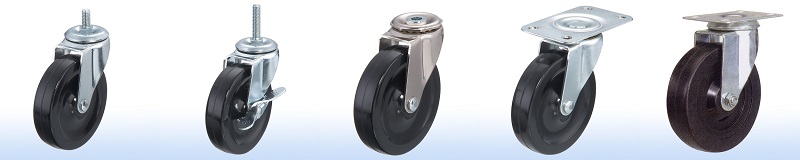
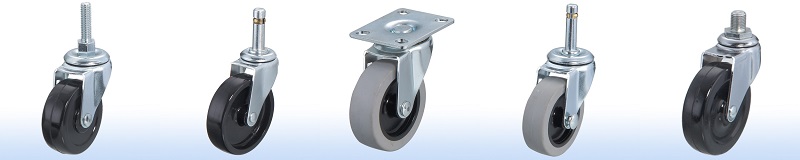
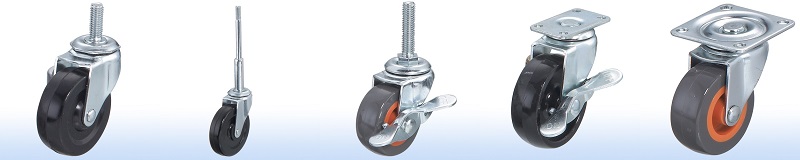
輕型腳輪
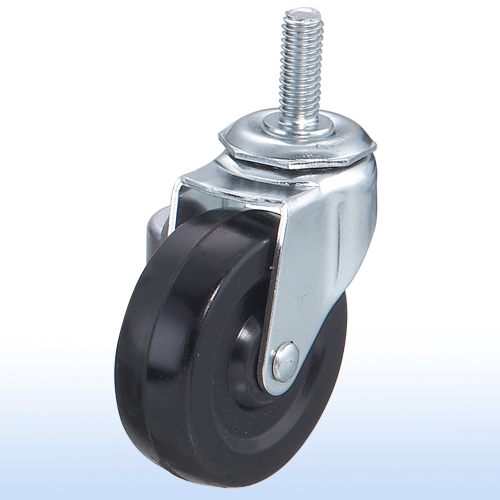
輕型腳輪
2-1/2”x 7/8 活動煞車輪
型號: T-01
2-1/2”x 7/8 Swivel Caster w/Brake
東鉝實業股份有限公司
電話:04-723-2230
傳真:04-723-6990
彰化市桃源街25巷7號
輕型腳輪
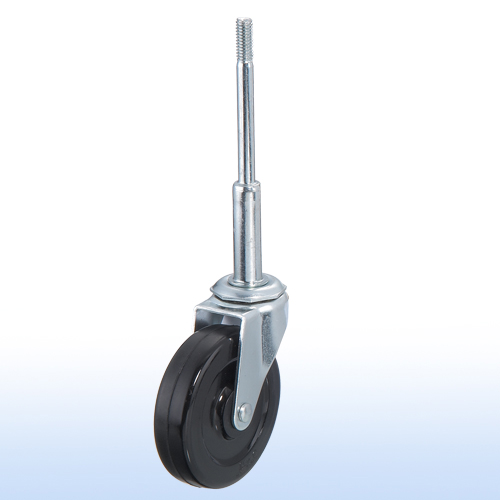
3”x 7/8 長桿活動煞車輪
型號: T-02
3”x 7/8 Extra-long-post Swivel Caster w/Brake
輕型腳輪
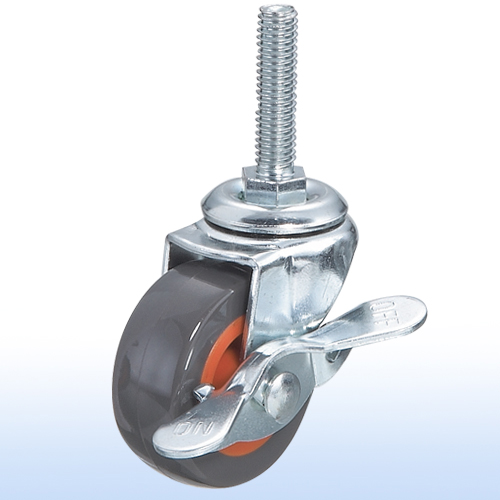
2”x 7/8 活動煞車輪
型號: T-03
2”x 7/8 Swivel Caster w/Brake
 輕型腳輪
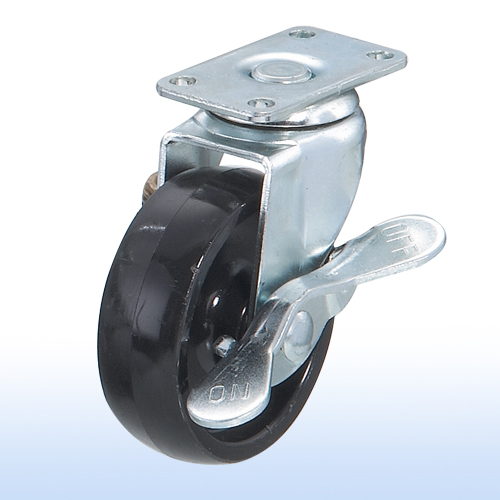
2-1/2”x 7/8 長板活動煞車輪
型號: T-04
2-1/2”x 7/8 Swivel Caster w/Strip Brake
輕型腳輪
2-1/2”x 7/8 長板活動煞車輪
型號: T-04
2-1/2”x 7/8 Swivel Caster w/Strip Brake
輕型腳輪
2-1/2”x 7/8 長板活動煞車輪
型號: T-04
2-1/2”x 7/8 Swivel Caster w/Strip Brake
 輕型腳輪
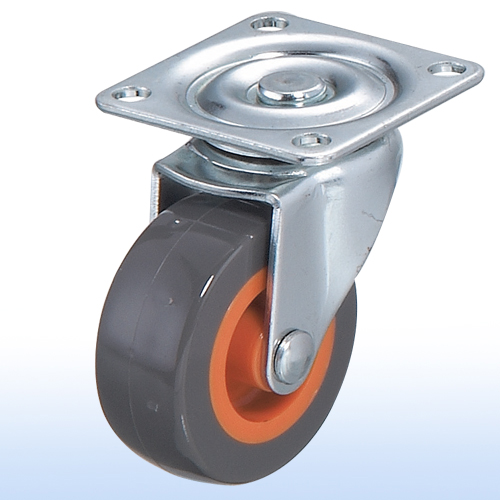
2”x 7/8 平板活動輪
型號: T-05
2”x 7/8 Flat-plate Swivel Caster w/Brake
輕型腳輪
2”x 7/8 平板活動輪
型號: T-05
2”x 7/8 Flat-plate Swivel Caster w/Brake
輕型腳輪
2”x 7/8 平板活動輪
型號: T-05
2”x 7/8 Flat-plate Swivel Caster w/Brake
輕型腳輪是一種輪子,通常用於輕型設備或物品,例如辦公家具、小型機器、工具箱等。輕型腳輪通常可以承受較輕的負載,並且比較容易操作。
輕型腳輪的選擇通常取決於具體的應用場合和負載要求。例如,如果需要在不平坦的地面上行駛,則需要選擇具有較好的抗震性和防震能力的腳輪;如果需要經常移動或轉向,則需要選擇具有較好操控性和靈活性的腳輪。
輕型腳輪的材料也有很多種類,例如橡膠腳輪、PU腳輪、聚氨酯腳輪、鋼腳輪、鑄鐵腳輪等。不同的材料有其各自的特點和適用場合,需要根據具體的應用需求選擇合適的腳輪類型和材料。
總之,輕型腳輪是一種通用的輪子,可以用於各種輕型設備或物品上。需要根據具體的應用場合和負載要求選擇合適的腳輪類型和材料,以提高操作性和使用效果。
輕型腳輪:靈活應用於輕負載場景的關鍵元件
引言:
輕型腳輪是現代工業和商業中常見的關鍵元件之一,其在輕負載場景中扮演著不可或缺的角色。本文將深入探討輕型腳輪的特點、設計原則、應用場景以及未來發展趨勢,以幫助讀者更好地了解這一重要元件的價值和作用。
一、輕型腳輪的定義與特點
輕型腳輪是指用於載重較輕、機動性要求較高的場景的腳輪,通常由塑料、橡膠或輕金屬等材料製成。其特點在於結構輕巧、靈活性好、成本較低,適合應用於各種輕負載場景,如辦公家具、小型設備、零售貨架等。
二、輕型腳輪的設計原則
負載能力:雖然輕型腳輪主要應用於輕負載場景,但仍需考慮其負載能力,確保能夠安全承載所需的重量。通常設計師會根據具體應用需求確定所需的負載能力範圍,選擇合適的腳輪型號。
材料選擇:輕型腳輪通常選用較輕的材料,如塑料、橡膠等,以確保整體結構輕量化,同時保持良好的耐用性和耐磨性。
機動性:輕型腳輪應具有良好的機動性,能夠靈活轉動並在狹小空間中自如移動,提高工作效率和操作便利性。
靜音性:輕型腳輪在使用過程中應具有較低的噪音水平,避免對工作環境和使用者造成干擾,特別是在辦公家具等場景中更為重要。
三、輕型腳輪的應用場景
辦公家具:在辦公椅、辦公桌等家具上常見輕型腳輪,這些腳輪能夠使家具在辦公室內靈活移動,方便使用者調整位置和布局。
零售貨架:零售店內的貨架通常需要經常移動和調整,而輕型腳輪的靈活性和便利性能夠滿足這一需求,使貨架的布局更加靈活多變。
輕型設備:小型設備如投影機、音響設備等通常需要具有輕型腳輪,這樣能夠輕松移動並方便地進行布局調整。
四、輕型腳輪的未來發展趨勢
隨著科技的不斷發展和市場需求的不斷變化,輕型腳輪也將面臨新的發展機遇和挑戰。未來的發展趨勢可能包括以下幾個方面:
新材料應用:隨著新材料技術的不斷進步,未來輕型腳輪可能會采用更多高性能、環保的新材料,以提高耐用性和功能性。
智能化技術:輕型腳輪可能會加入智能感知和控制技術,實現自動化調節和遠程監控,提高使用便利性和效率。
客製化服務:未來輕型腳輪的生產可能會更加注重客戶需求,提供更多定制化的服務和產品,滿足不同應用場景的需求。
結論:
輕型腳輪作為靈活應用於輕負載場景的關鍵元件,在現代工業和商業中扮演著重要角色。通過合理的設計和應用,輕型腳輪能夠提高工作效率、改善工作環境,同時降低成本,為各行各業的發展提供支持。未來隨著科技的不斷進步,輕型腳輪將會不斷優化和創新,為更廣泛的應用場景帶來更多便利和價值。
五、輕型腳輪的優點與挑戰
優點:
輕巧便捷:輕型腳輪通常由輕量化材料製成,因此整體結構輕巧,方便搬運和安裝。
靈活性高:輕型腳輪擁有良好的機動性,能夠在狹窄的空間中靈活轉動,提高了使用的靈活性和便利性。
成本較低:相對於其他載重更大的腳輪而言,輕型腳輪的成本較低,使其在成本控制方面具有優勢。
挑戰:
承載能力限制:由於輕型腳輪主要應用於輕負載場景,其承載能力相對較低,無法應對大型或重型設備的移動需求。
耐用性較差:由於輕型腳輪使用的材料較輕,因此其耐用性可能較差,容易受到外部環境和使用條件的影響,需定期更換。
適用場景有限:輕型腳輪適用於輕負載場景,但在應對特別重型或惡劣環境的情況下,可能無法滿足需求,需要注意選擇。
六、輕型腳輪的環保意識
隨著全球環境問題日益嚴重,環保意識逐漸成為各行各業關注的焦點。輕型腳輪在材料選擇、生產過程和使用過程中,都應該注重減少對環境的影響。例如,選擇可再生材料、節能減排生產工藝、推廣產品回收再利用等措施,都是提高輕型腳輪環保水平的有效途徑。
七、結論
輕型腳輪作為靈活應用於輕負載場景的重要組件,在現代工業和商業中扮演著關鍵角色。通過合理的設計和應用,輕型腳輪能夠提高工作效率、改善工作環境,同時降低成本,為各行各業的發展提供支持。未來隨著科技的不斷進步和環保意識的提升,輕型腳輪將會不斷優化和創新,為更廣泛的應用場景帶來更多便利和價值。
Light-duty casters are wheels typically used on light equipment or items, such as office furniture, small machines, and toolboxes. They can generally withstand lighter loads and are relatively easy to operate.
The choice of light-duty casters usually depends on the specific application and load requirements. For example, if the vehicle needs to travel on uneven ground, casters with good shock resistance and damping capabilities are needed; if frequent movement or turning is required, casters with good maneuverability and flexibility are needed.
Light-duty casters are also made from a variety of materials, such as rubber casters, PU casters, polyurethane casters, steel casters, and cast iron casters. Different materials have their own characteristics and applicable applications, requiring the selection of the appropriate caster type and material based on specific application needs.
In short, light-duty casters are general-purpose wheels that can be used on various light equipment or items. The appropriate caster type and material should be selected based on the specific application and load requirements to improve operability and usability.
Lightweight Casters: Key Components for Flexible Applications in Light-Load Scenarios
Introduction: Lightweight casters are a common and crucial component in modern industry and commerce, playing an indispensable role in light-load scenarios. This article will delve into the characteristics, design principles, application scenarios, and future development trends of lightweight casters to help readers better understand the value and function of this important component.
I. Definition and Characteristics of Lightweight Casters
Lightweight casters are casters used in scenarios with lighter loads and higher mobility requirements. They are typically made of materials such as plastic, rubber, or lightweight metals. Their characteristics include lightweight structure, good flexibility, and low cost, making them suitable for various light-load scenarios, such as office furniture, small equipment, and retail shelves.
II. Design Principles of Lightweight Casters
Load Capacity: Although lightweight casters are primarily used in light-load scenarios, their load capacity must still be considered to ensure they can safely bear the required weight. Designers typically determine the required load capacity range based on specific application needs and select appropriate caster models.
Material Selection: Lightweight casters typically use lighter materials such as plastics and rubber to ensure a lightweight overall structure while maintaining good durability and wear resistance.
Mobility: Lightweight casters should have good mobility, allowing for flexible rotation and easy movement in confined spaces, improving work efficiency and ease of operation.
Noise Level: Lightweight casters should have low noise levels during use to avoid disturbing the work environment and users, which is especially important in scenarios such as office furniture.
III. Application Scenarios of Lightweight Casters
Office Furniture: Lightweight casters are commonly found on office chairs, desks, and other furniture. These casters allow for flexible movement of furniture within the office, facilitating adjustments in position and layout.
Retail Shelving: Retail store shelving often needs to be moved and adjusted frequently, and the flexibility and convenience of lightweight casters meet this need, allowing for more flexible and adaptable shelving layouts.
Lightweight Equipment: Small equipment such as projectors and audio equipment typically require lightweight casters for easy movement and convenient layout adjustments.
IV. Future Development Trends of Light-Duty Casters
With continuous technological advancements and evolving market demands, light-duty casters will face new development opportunities and challenges. Future development trends may include the following aspects:
New Material Application: With the continuous advancement of new material technologies, future light-duty casters may utilize more high-performance and environmentally friendly materials to improve durability and functionality.
Intelligent Technology: Light-duty casters may incorporate intelligent sensing and control technologies to achieve automated adjustment and remote monitoring, improving ease of use and efficiency.
Customized Services: Future production of light-duty casters may focus more on customer needs, providing more customized services and products to meet the requirements of different application scenarios.
Conclusion: As a key component for flexible application in light-load scenarios, light-duty casters play an important role in modern industry and commerce. Through reasonable design and application, light-duty casters can improve work efficiency, enhance the working environment, and reduce costs, supporting the development of various industries. In the future, with continuous technological advancements, light-duty casters will continue to be optimized and innovated, bringing more convenience and value to a wider range of application scenarios.
V. Advantages and Challenges of Light-Duty Casters
Advantages:
Lightweight and Convenient: Light-duty casters are typically made of lightweight materials, resulting in a lightweight overall structure that facilitates handling and installation.
High Flexibility: Light-duty casters offer excellent maneuverability, allowing for flexible movement in confined spaces, enhancing usability and convenience.
Lower Cost: Compared to other casters with higher load capacities, light-duty casters are less expensive, giving them an advantage in cost control.
Challenges:
Limited Load Capacity: As light-duty casters are primarily used in light-load scenarios, their load capacity is relatively low, making them unsuitable for moving large or heavy equipment.
Poor Durability: Due to the lightweight materials used, light-duty casters may have lower durability and are more susceptible to the effects of external environments and usage conditions, requiring regular replacement.
Limited Applicable Scenarios: While suitable for light-load scenarios, light-duty casters may not meet the needs of particularly heavy-duty or harsh environments, requiring careful selection.
VI. Environmental Awareness Regarding Light-Duty Casters
With the increasing severity of global environmental issues, environmental awareness has gradually become a focus of attention across all industries. Lightweight casters should prioritize minimizing their environmental impact during material selection, production, and use. For example, selecting renewable materials, implementing energy-saving and emission-reducing production processes, and promoting product recycling are all effective ways to improve the environmental friendliness of lightweight casters.
VII. Conclusion As a crucial component for flexible application in light-load scenarios, lightweight casters play a key role in modern industry and commerce. Through proper design and application, lightweight casters can improve work efficiency, enhance the working environment, and reduce costs, supporting the development of various industries. In the future, with continuous technological advancements and increased environmental awareness, lightweight casters will continue to be optimized and innovated, bringing greater convenience and value to a wider range of applications.