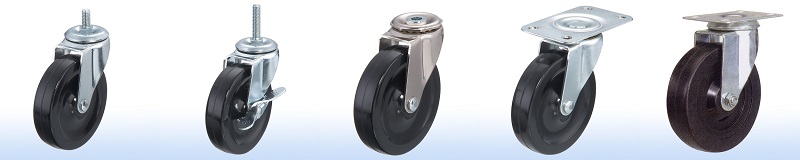
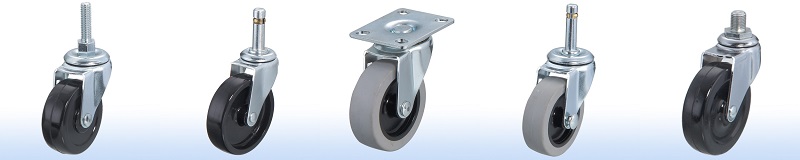
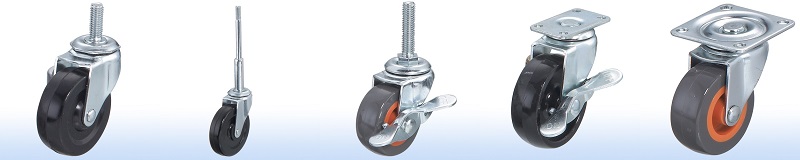
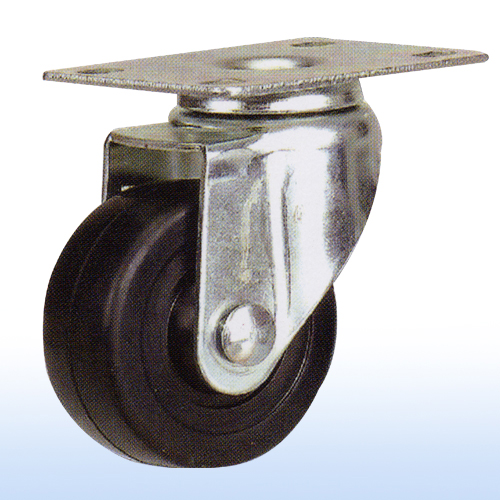
工業用腳輪
工業用腳輪還可以有不同的設計和功能,例如防震、吸震、懸掛、轉向等功能。
東鉝實業股份有限公司
電話:04-723-2230
傳真:04-723-6990
彰化市桃源街25巷7號
工業用腳輪是一種專為工業應用而設計的輪子,可以用於重型機器、設備或貨物上。工業用腳輪需要具有強大的承載能力、抗震性能和耐用性。
工業用腳輪的選擇通常取決於具體的應用場合和負載要求。例如,如果需要在不平坦的地面上行駛,則需要選擇具有較好的抗震性和防震能力的腳輪;如果需要經常移動或轉向,則需要選擇具有較好操控性和靈活性的腳輪。
工業用腳輪的材料也有很多種類,例如橡膠腳輪、PU腳輪、聚氨酯腳輪、鋼腳輪、鑄鐵腳輪等。不同的材料有其各自的特點和適用場合,需要根據具體的應用需求選擇合適的腳輪類型和材料。
工業用腳輪還可以有不同的設計和功能,例如防震、吸震、懸掛、轉向
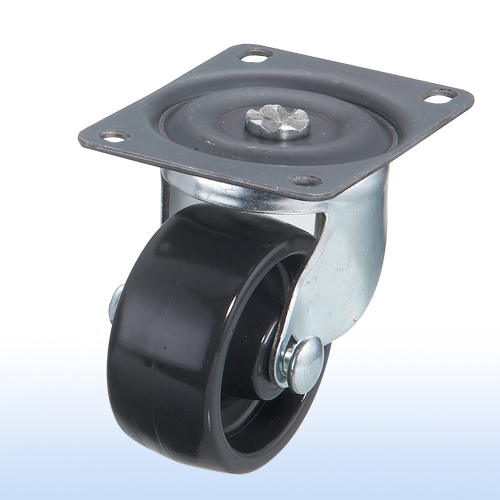
工業用腳輪是一種專為工業應用而設計的輪子,需要具有強大的承載能力、抗震性能和耐用性。等功能。這些設計可以提高腳輪的穩定性、靈活性和運轉效率,從而更好地滿足不同的應用需求。
總之,工業用腳輪是一種專為工業應用而設計的輪子,需要具有強大的承載能力、抗震性能和耐用性。在選擇時需要考慮多種因素,以確保腳輪的穩定性和運轉效率。
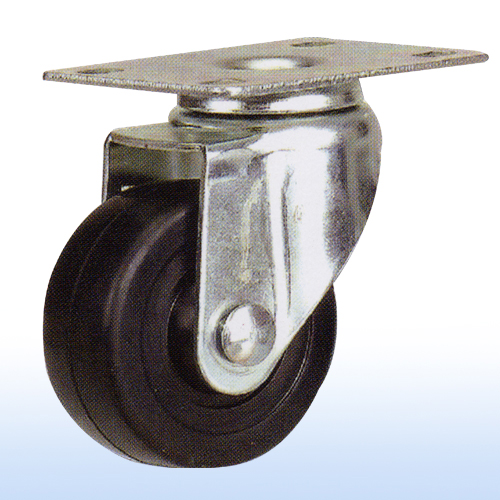
工業用腳輪工業用腳輪是一種特殊設計的輪子,通常用於工業設備、機械和搬運車等設施上,以方便物品的運輸和移動。這些腳輪在工業環境中扮演著重要的角色,使得設備能夠靈活運作,並為操作人員提供便利。
【特點與應用】:
承載能力:工業用腳輪通常具有較高的承載能力,可以應對重型設備或大量物品的運輸需求。
耐磨耐用:這些腳輪通常由耐磨材料製成,能夠在不平坦的地面上長時間使用而不易損壞。
高耐壓性:工業用腳輪需要應對工業環境中的壓力和衝擊,因此具有較高的耐壓性和抗衝擊性。
靈活機動:這些腳輪能夠靈活轉向和移動,使得設備能夠輕鬆穿梭於工業場地中。
抗腐蝕:工業用腳輪通常具有抗腐蝕性能,能夠適應潮濕、化學藥品等惡劣環境。
【類型和材料】:
工業用腳輪的類型和材料多樣,根據不同的應用場景和需求進行選擇:
鋼質腳輪:由鋼材製成,具有優越的承載能力和耐壓性,適用於較重的工業設備。
聚氨酯腳輪:由聚氨酯材料製成,具有優秀的耐磨性和抗衝擊性,適用於平整地面的搬運車。
尼龍腳輪:由尼龍材料製成,較輕便且靈活,適用於輕型設備和敏感地面。
橡膠腳輪:由橡膠材料製成,提供較好的彈性和緩震性,適用於室內環境和靜音要求較高的場所。
【安全注意事項】:
在使用工業用腳輪時,需要注意以下安全事項:
承載限制:應確保腳輪的承載能力符合設備或貨物的重量要求,避免超載使用,以免導致腳輪損壞或不安全。
定期檢查:定期檢查腳輪的磨損程度和運行狀況,如發現異常應及時更換或維修。
選擇適合地面:根據不同地面的特性,選擇合適的腳輪材料,以確保順利運行和安全使用。
正確安裝:腳輪安裝時應按照相應的操作說明進行,確保固定牢固,避免腳輪滑動或脫落。
總的來說,工業用腳輪是工業設備和搬運車等設施的關鍵組件,它們的性能和品質直接影響到工業操作的效率和安全性。因此,在選擇和使用工業用腳輪時,需要根據具體應用場景和需求,選擇合適的腳輪材料和型號,確保其能夠適應不同的工業環境並保持良好的運行狀態。同時,定期進行檢查和保養,以延長腳輪的使用壽命並確保操作的安全性。
隨著科技和工藝的不斷進步,工業用腳輪將會進行更多的設計創新,以滿足不斷變化的需求:
抗靜電設計:在特殊的工業環境中,例如電子製造廠或半導體工廠,靜電可能對產品和設備造成損害。因此,工業用腳輪可能將採用抗靜電材料,防止靜電的產生,確保工作場所的安全。
智能化應用:工業用腳輪可能結合智能化技術,例如嵌入感測器,以便監測腳輪的運行狀態、荷重和溫度等參數。通過數據的收集和分析,用戶可以實現腳輪的遠程監控和預測性維護,提高設備的運行效率和可靠性。
環保材料:未來的工業用腳輪將更加注重環保,可能使用可回收材料或可再生材料製造,降低對環境的影響,實現可持續發展。
【多功能組合和模組化設計】
未來工業用腳輪可能會採用多功能組合和模組化設計,以滿足不同場景和需求:
多功能組合:腳輪可能根據需要進行多功能的組合,例如帶有方向鎖定、制動裝置或旋轉方便等功能,使腳輪在不同應用中更加靈活和便捷。
模組化設計:工業用腳輪可能設計成模組化結構,用戶可以根據具體需求和設備的特性進行自由組裝和更換,提高應用的靈活性和便利性。
【綠色製造和可持續發展】
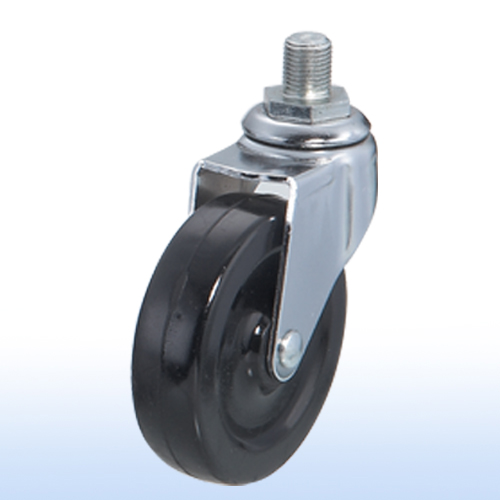
工業用腳輪
工業用腳輪的製造可能會更加注重綠色製造和可持續發展:
減少能源消耗:腳輪的製造過程可能採用節能技術,減少能源消耗,降低生產成本。
廢物回收再利用:腳輪的製造過程可能將廢棄物回收再利用,減少對環境的污染。
綠色包裝:工業用腳輪的包裝可能採用環保材料,減少對自然資源的消耗,降低碳足跡。
【智能物流與供應鏈管理】
工業用腳輪可能與智能物流和供應鏈管理技術相結合,實現更高效的運輸和管理:
物流信息追踪:腳輪可能配備物流信息追踪系統,用戶可以實時了解腳輪的運行情況和位置。
庫存管理:通過物流管理系統,用戶可以實現腳輪的庫存管理,提高供應鏈的運營效率。
【全球市場拓展與國際認證】
隨著全球市場的拓展,未來工業用腳輪可能會獲得更多的國際認證:
國際認證:腳輪可能獲得國際標準和認證,如ISO、CE等,確保產品的品質和性能達到國際水平。
國際市場拓展:工業用腳輪可能進一步開拓國際市場,擴大產品的銷售範圍和影響力。
總體而言,未來工業用腳輪將持續創新和發展,以滿足不斷變化的需求和應用場景。通過智能化技術、綠色製造和國際認證等措施,工業用腳輪將在工業應用中扮演更加重要的角色,為設備運輸和物料搬運提供更高效、可靠、環保的解決方案。同時,對於用戶而言,選擇合適的工業用腳輪將有助於提升生產效率、降低成本,並確保工業操作的安全性和
未來工業用腳輪將繼續強調安全性和可靠性,以確保工業設備和搬運車的運行安全:
強化材料檢測:工業用腳輪製造商可能採用更嚴格的材料檢測和品質控制標準,確保材料的強度和耐久性。
配件合一:工業用腳輪的設計可能更加注重配件合一,避免因為配件鬆動或脫落導致腳輪失效。
抗過載能力:腳輪可能增加抗過載能力,確保在意外情況下仍能正常運行,避免事故發生。
【智能化控制和自動化應用】
未來工業用腳輪可能與智能化控制和自動化技術相結合,實現更高效的應用:
自動導航:腳輪可能搭載自動導航技術,使得工業設備能夠自主運行,減少人力操作。
協作系統:腳輪可能與其他機器人或自動化設備協作,實現更高效的物料運輸和裝卸。
【更環保的材料和製造工藝】
工業用腳輪的製造將持續尋求更環保的材料和製造工藝:
生態友好材料:工業用腳輪可能採用生態友好的材料,例如可生物降解材料,減少對環境的影響。
能源節約:製造工藝可能更注重能源節約,減少碳排放,推動工業生產的綠色發展。
【定制化生產】
未來工業用腳輪可能向定制化生產方向發展,根據不同設備和應用場景的需求提供個性化解決方案:
量身定制:工業用腳輪製造商可能提供量身定制的服務,根據客戶的具體需求設計和製造符合其特定要求的腳輪。
快速交付:製造商可能優化生產流程,實現快速交付,縮短客戶等待時間。
【人性化設計】
工業用腳輪可能朝著更人性化的方向發展,以提高操作的便利性和使用者體驗:
符合人體工學:工業用腳輪的設計可能更符合人體工學,方便操作人員推動和操控。
靈活操作:腳輪可能配備方便的操控裝置,使操作更加靈活和輕松。
總體而言,未來工業用腳輪將在安全性、智能化、環保和人性化等方面持續進行創新和發展。這些創新將為工業設備和搬運車等工業應用提供更優質、高效、可靠的運輸解決方案,同時也將推動工業領域的可持續發展和智能化升級。無論是在製造工藝、材料選擇、功能設計還是應用技術方面,工業用腳輪將持續引領行業的發展潮流,並為工業領域帶來更多的便利和效益。
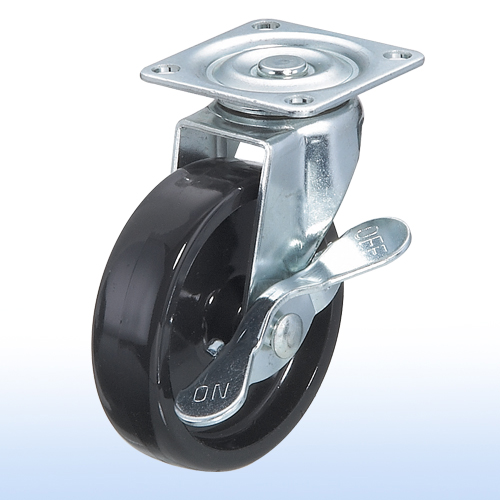
工業用腳輪
隨著全球環境問題日益嚴峻,未來工業用腳輪將更加注重節能環保和可持續發展:
綠色材料:工業用腳輪可能使用更多環保材料,例如可回收材料、再生材料或生物降解材料,減少對有限資源的依賴。
節能設計:腳輪的設計可能優化能量轉換效率,減少能源消耗,降低碳排放。
環保生產:製造工藝可能更加綠色環保,減少對環境的影響,例如降低有害氣體的排放、減少廢棄物的產生。
【智慧物聯網應用】
未來工業用腳輪可能更多地應用智慧物聯網技術,實現更智能、高效的管理和控制:
腳輪監測:腳輪可能配備感測器和無線通信模組,實現遠程監測和數據傳輸,用戶可以隨時掌握腳輪的運行狀態和性能。
遠程控制:通過物聯網技術,用戶可以實現遠程控制和操作腳輪,提高操作的便利性和效率。
【智能安全保護】
工業用腳輪的智能安全保護將成為未來的一個重要發展方向:
自動制動:腳輪可能配備自動制動裝置,當腳輪停止運行或面臨危險時,自動制動以保障安全。
危險警示:腳輪可能具有危險警示功能,當腳輪使用不當或面臨危險時,發出警報以提醒用戶。
【智能化保養與維修】
未來工業用腳輪可能配備智能化保養與維修系統,實現更高效、準確的保養和維修:
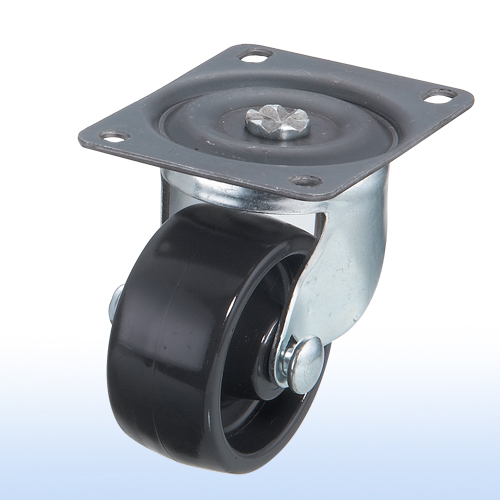
工業用腳輪
自動保養:腳輪可能通過智能感測器自動檢測運行狀態,判斷是否需要保養,提醒用戶定期進行保養。
預測性維修:腳輪可能通過數據分析預測故障和磨損,提前進行維修,避免意外損壞和停工。
【智慧製造和定制化生產】
未來工業用腳輪製造將更多地應用智慧製造技術,實現定制化生產:
智慧生產線:腳輪製造廠可能引入智慧生產線,實現生產過程的自動化和智能化。
客製化設計:用戶可能通過智慧平台進行腳輪的客製化設計,根據需求選擇材料、尺寸、功能等參數。
工業用腳輪的特性、應用與市場趨勢
一、工業用腳輪的基本概念
工業用腳輪(Industrial Casters)是一種專為工業設備、物流運輸、倉儲作業和自動化機械設計的高強度輪子。相較於一般腳輪,工業用腳輪在承載能力、耐磨性、耐用性及安全性方面要求更高,以確保設備在惡劣環境下仍能穩定運行。
這類腳輪通常由高強度材料製成,如聚氨酯(PU)、尼龍、橡膠、不銹鋼等,並搭配不同類型的輪架與軸承,以適應各種地面和載重需求。
二、工業用腳輪的主要類型
1. 根據結構分類
固定腳輪:只能直線移動,適用於需要穩定性的設備,如重型機械或輸送設備。
萬向腳輪:可360度旋轉,適合需要靈活運動的設備,如物流推車、工廠移動設備等。
剎車腳輪:帶有鎖定機制,可防止設備滑動,提高操作安全性。
2. 根據材質分類
聚氨酯(PU)腳輪:
耐磨性強,適合長時間使用,能承受較重的載荷。
低噪音,適合醫療、辦公、物流等靜音環境。
橡膠腳輪:
具備良好的減震效果與靜音特性,適用於光滑地面,能保護地板不受刮傷。
適合醫療設備、倉儲推車等。
尼龍腳輪:
高硬度、低摩擦係數,適用於平坦硬質地面,如倉儲、實驗室等。
耐化學腐蝕,適用於食品加工、電子廠等特殊環境。
鐵輪或鋼輪:
超強承載能力,適合重型設備,但噪音較大,主要用於高溫或極端工業環境。
氣動腳輪:
內含氣體,適合崎嶇地形,能提供極佳的避震能力。
用於建築工地、農業機械、戶外搬運等。
3. 根據承載能力分類
輕型工業腳輪:適用於小型設備、辦公器材、輕量搬運車。
中型工業腳輪:適用於物流推車、倉儲設備、醫療器械等。
重型工業腳輪:適用於工廠機械、機器人搬運系統、自動化生產設備等。
三、工業用腳輪的主要應用領域
1. 工廠與生產線設備
用於機械移動設備、工具車、物料搬運車,提高生產效率並減少人工搬運負擔。
2. 物流與倉儲
倉儲貨架、物流推車、貨運設備等皆需耐用的工業用腳輪,以確保貨物安全運輸。
3. 醫療設備與商業應用
醫院推車、病床、辦公設備等需使用低噪音且耐用的腳輪,提高移動便利性與環境舒適度。
4. 建築與戶外設備
工地推車、戶外貨架等,常使用氣動輪或重型工業腳輪,以適應崎嶇地形與惡劣環境。
5. 自動化機械與機器人
隨著智慧工廠與自動化物流的發展,許多機器人搬運系統(如AGV自動導引車)需配備高精度、低摩擦的工業用腳輪,以確保精確運行。
四、工業用腳輪的市場趨勢
1. 高性能與智能化發展
研發具備更高耐磨性、更低摩擦阻力的腳輪,適應高速自動化設備。
智能腳輪市場成長,如內建感測器以監測磨損程度、負載壓力等,提高設備運行效率。
2. 環保與可持續發展
開發可回收材料製成的腳輪,減少對環境的影響,符合綠色生產趨勢。
採用無毒、低揮發性物質,提高環保標準,符合歐美等地的環保法規。
3. 多功能腳輪需求增加
越來越多企業尋求客製化腳輪,如防靜電、防腐蝕、耐高溫等,以滿足特定產業需求。
例如電子製造業使用防靜電腳輪,食品加工業使用抗菌腳輪等。
4. 自動化物流與機械設備需求增長
隨著工業4.0的推動,智慧倉儲與自動化搬運系統對高性能腳輪的需求持續增加。
AGV、無人搬運車等設備的發展帶動工業用腳輪市場的成長。
五、選購工業用腳輪的考量因素
承載能力
根據設備與貨物重量,選擇適當的腳輪,以避免過載導致變形或損壞。
地面環境
若地面光滑,適用橡膠或PU腳輪;若地面粗糙或工業環境,則需耐磨型腳輪,如尼龍或聚氨酯腳輪。
使用頻率
頻繁使用的場合應選擇耐磨性高的腳輪,以延長壽命並減少更換頻率。
特殊需求
若在特殊環境,如高溫、潮濕、化學品接觸等,需選擇適應該環境的特殊腳輪,如耐高溫腳輪、防腐蝕腳輪等。
六、結論
工業用腳輪在現代工業、物流、自動化機械等領域發揮著關鍵作用,其耐用性、高承載能力及適應不同環境的特性,使其成為設備移動不可或缺的零件。隨著科技進步與市場需求變化,工業用腳輪將朝著高性能、智能化、環保化的方向發展。企業在選擇工業用腳輪時,應根據實際需求與應用場景,挑選最合適的腳輪,以確保設備運行穩定、高效且安全。
Industrial casters are specially designed wheels commonly used on industrial equipment, machinery, and handling vehicles to facilitate the transport and movement of goods. These casters play a vital role in industrial environments, enabling equipment to operate flexibly and providing convenience for operators.
【Features and Applications】:
Load Capacity: Industrial casters typically have a high load capacity, capable of handling the transport of heavy equipment or large quantities of goods.
Durable and Wear-Resistant: These casters are usually made of wear-resistant materials, allowing for prolonged use on uneven surfaces without significant damage.
High Pressure Resistance: Industrial casters need to withstand the pressure and impacts of industrial environments, thus possessing high pressure resistance and impact resistance.
Flexibility and Mobility: These casters allow for flexible steering and movement, enabling equipment to easily navigate industrial sites.
Corrosion Resistance: Industrial casters are typically corrosion-resistant, able to withstand harsh environments such as humidity and chemical exposure.
【Types and Materials】:
Industrial casters come in various types and materials, selected according to different application scenarios and needs:
Steel Casters: Made of steel, they offer superior load-bearing capacity and pressure resistance, suitable for heavy industrial equipment.
Polyurethane Casters: Made of polyurethane, they offer excellent wear resistance and impact resistance, suitable for handling vehicles on flat surfaces.
Nylon Casters: Made of nylon, they are lightweight and flexible, suitable for light equipment and sensitive surfaces.
Rubber Casters: Made of rubber, they provide good elasticity and shock absorption, suitable for indoor environments and locations requiring quiet operation.
【Safety Precautions】:
When using industrial casters, the following safety precautions should be observed:
Load Limits: Ensure the casters' load-bearing capacity meets the weight requirements of the equipment or goods. Avoid overloading to prevent damage or safety hazards.
Regular Inspection: Regularly inspect the wear and operating condition of the casters. Replace or repair any abnormalities promptly.
Choose the right surface: Select appropriate caster materials based on the characteristics of different surfaces to ensure smooth operation and safe use.
Proper installation: Install casters according to the corresponding operating instructions to ensure they are securely fixed and prevent slippage or detachment.
In general, industrial casters are key components of industrial equipment and handling vehicles, and their performance and quality directly affect the efficiency and safety of industrial operations. Therefore, when selecting and using industrial casters, it is necessary to choose appropriate caster materials and models based on specific application scenarios and needs to ensure they can adapt to different industrial environments and maintain good operating condition. Regular inspection and maintenance are also essential to extend the lifespan of the casters and ensure operational safety.
With continuous advancements in technology and processes, industrial casters will undergo more design innovations to meet ever-changing needs:
Anti-static design: In special industrial environments, such as electronics manufacturing plants or semiconductor factories, static electricity can damage products and equipment. Therefore, industrial casters may utilize anti-static materials to prevent the generation of static electricity and ensure workplace safety.
Intelligent Applications: Industrial casters may incorporate intelligent technologies, such as embedded sensors, to monitor parameters like operating status, load, and temperature. Through data collection and analysis, users can achieve remote monitoring and predictive maintenance, improving equipment efficiency and reliability.
Environmentally Friendly Materials: Future industrial casters will place greater emphasis on environmental protection, potentially using recyclable or renewable materials to reduce environmental impact and achieve sustainable development.
【Multi-functional Combinations and Modular Design】
Future industrial casters may adopt multi-functional combinations and modular designs to meet different scenarios and needs:
Multi-functional Combinations: Casters may be able to be combined in multiple ways as needed, such as incorporating features like directional locking, braking devices, or easy rotation, making them more flexible and convenient in various applications.
Modular Design: Industrial casters may be designed with a modular structure, allowing users to freely assemble and replace components according to specific needs and equipment characteristics, improving application flexibility and convenience.
[Green Manufacturing and Sustainable Development] Industrial Casters
The manufacturing of industrial casters may place greater emphasis on green manufacturing and sustainable development:
Reduced Energy Consumption: The manufacturing process may employ energy-saving technologies to reduce energy consumption and lower production costs.
Waste Recycling and Reuse: The manufacturing process may recycle and reuse waste materials, reducing environmental pollution.
Green Packaging: The packaging of industrial casters may use environmentally friendly materials, reducing the consumption of natural resources and lowering the carbon footprint.
[Smart Logistics and Supply Chain Management]
Industrial casters may be integrated with smart logistics and supply chain management technologies to achieve more efficient transportation and management:
Logistics Information Tracking: Casters may be equipped with logistics information tracking systems, allowing users to monitor the real-time operation and location of the casters.
Inventory Management: Through logistics management systems, users can manage caster inventory, improving supply chain operational efficiency.
[Global Market Expansion and International Certification]
With the expansion of the global market, industrial casters are likely to obtain more international certifications in the future:
International Certification: Casters may obtain international standards and certifications, such as ISO and CE, ensuring that product quality and performance meet international standards.
International Market Expansion: Industrial casters may further expand into international markets, increasing their sales reach and influence.
Overall, industrial casters will continue to innovate and develop to meet ever-changing needs and application scenarios. Through intelligent technologies, green manufacturing, and international certifications, industrial casters will play a more important role in industrial applications, providing more efficient, reliable, and environmentally friendly solutions for equipment transportation and material handling. Meanwhile, for users, choosing the right industrial casters will help improve production efficiency, reduce costs, and ensure the safety of industrial operations.
Future industrial casters will continue to emphasize safety and reliability to ensure the safe operation of industrial equipment and transport vehicles:
Strengthened Material Testing: Industrial caster manufacturers may adopt stricter material testing and quality control standards to ensure the strength and durability of materials.
Integrated Components: Industrial casters are designed with a greater emphasis on integrated components to prevent malfunctions caused by loose or detached parts.
Overload Resistance: Casters may be equipped with overload resistance features to ensure continued normal operation under unexpected conditions and prevent accidents.


